Archived analysis prepared for the 20 November 2026 publication edition. Original briefing date: 6 September 2026. The original research cutoff was not separately recorded; cited event material extends through the session scheduled for 3 September 2026. This is historical context, not a current fraud alert or consignment finding.
Key fact: Identity risk is broader than species substitution: FAO identifies adulteration, diversion, misbranding, tampering, mislabelling and counterfeiting among the main forms of aquatic-food fraud. FAO report announcement
Archived analysis prepared for the 20 November 2026 publication edition. Original briefing date: 6 September 2026. The original research cutoff was not separately recorded; cited event material extends through the session scheduled for 3 September 2026. This is historical context, not a current fraud alert or consignment finding.
Sourced facts: FAO returns aquatic-food authenticity to the trade agenda
FAO GLOBEFISH announced a session on aquatic-food fraud at Seafood Expo Asia in Singapore, scheduled for 3 September 2026. Its published programme proposed discussion of market incentives, supply-chain complexity and responses by authorities, laboratories, industry and standard-setting bodies; the announcement alone does not verify delivery or outcomes. FAO GLOBEFISH at Seafood Expo Asia 2026
The announced discussion built on FAO's 2026 report, Food fraud in the fisheries and aquaculture sector. FAO describes fish fraud as deliberate deception and identifies several forms: adulteration, counterfeiting, simulation, diversion, misbranding, overrun, species substitution, tampering, mislabelling and theft. The potential consequences include economic loss, distorted competition, sustainability damage and risks to human health. FAO report announcement
FAO also cautions against treating headline prevalence figures as settled facts. Its review notes that there is no official estimate for the global prevalence of aquatic-food fraud because the sector includes thousands of species, many fraud types and inconsistent legal definitions. That limitation is important: buyers should use fraud evidence to improve controls, not to make unsupported claims about a supplier, product or country.
The report highlights prevention and detection tools ranging from stronger traceability and harmonised labelling to laboratory techniques. These include DNA-based methods, enzyme-linked immunosorbent assays, stable-isotope analysis, nuclear magnetic resonance and portable X-ray fluorescence. Not every tool is suitable for every material or transaction, but the principle is consistent: documentary identity should be supported by risk-based verification where the consequence of substitution is material.
At a June 2026 FAO GLOBEFISH webinar, participants similarly emphasised traceability systems, analytical testing, risk-based controls, clearer labelling, data collection and international cooperation. The webinar drew 198 participants from 59 countries, illustrating the cross-border relevance of the issue. FAO GLOBEFISH webinar summary
For feed materials entering the European Union, these broader authenticity concerns sit alongside binding feed rules. Regulation (EC) No 183/2005 applies feed-hygiene requirements across production, processing and distribution, including imports and exports, and establishes conditions intended to ensure feed traceability and establishment registration or approval. EU Feed Hygiene Regulation
Marine ingredients also interact with the EU animal-by-product framework. Annex I to Regulation (EU) No 142/2011, as amended, sets separate definitions for fishmeal and fish oil; applicable raw-material and processing conditions require product-specific review. Definition amendment The European Commission publishes links to national lists of approved animal-by-product establishments. EU approved animal-by-product establishments
Commercial interpretation: verify the material, not just the label
The FAO discussion concerns aquatic food broadly; it does not state that a particular fishmeal or fish-oil consignment is fraudulent. The commercial lesson for feed buyers is narrower and practical: a product name on an offer is not enough to establish species, raw-material source, processing route, origin or batch continuity.
Start with identity. The purchase specification should define whether the material is fishmeal, species-specific marine meal, fish oil or another aquatic-derived ingredient. Where species or production method affects nutrition, customer acceptance or legal eligibility, the contract should state the accepted identity and the evidence required. Generic wording such as "marine protein" can be useful at an early inquiry stage but is too broad for final approval.
Next, connect the document chain. The producer name, establishment number, product description, lot number, production date, quantity and origin should be consistent across the specification, certificate of analysis, invoice, packing list, health certificate and transport documents. Buyers should investigate unexplained changes rather than manually normalising them. A minor spelling variation is different from a changed plant number, species declaration or lot code.
Third, match testing to risk. Routine proximate analysis can verify protein, fat, moisture, ash and other agreed parameters, but it may not prove species or geographic origin. If those attributes are commercially or legally critical, the quality plan should define when identity testing is required, which method and laboratory are acceptable, how samples are retained, and what happens if results conflict with documents.
Build one authenticity file per supply chain
Before contracting a recurring supply, buyers can assemble one controlled file for each product-plant-origin combination:
1. Identity: legal product name, intended feed use and accepted species or raw-material scope. 2. Producer: legal entity, processing site, current establishment number and approval evidence. 3. Quality: specification, representative COA, sampling plan and agreed acceptance limits. 4. Traceability: lot-code logic and matching fields across commercial, health and transport documents. 5. Verification: risk-based test plan, approved laboratory and retained-sample procedure. 6. Response: hold, investigation, replacement and notification steps for any material discrepancy.
This file should have an owner and review date. A document copied from a previous shipment is useful only if it remains valid and matches the current plant, product and lot. Approval evidence, certificate models and customer restrictions can change, so current verification should happen before funds, vessel space or delivery commitments are fixed.
Fraud prevention is not the same as assuming bad faith. A disciplined file protects reputable suppliers as well as buyers because it reduces ambiguity, preserves evidence and distinguishes a correctable document error from a material identity problem. The objective is a supply chain in which the named material, approved plant, tested batch and delivered consignment can be connected without guesswork.
Status at 20 November 2026
Publication note, 20 November 2026: this archive applies FAO's general aquatic-food-fraud work to marine-ingredient purchasing. It does not report a new fraud finding or establish that any GT product, producer or origin is implicated. For the later cross-sector treatment of fraud suspicions, see GT's 30 October analysis. GT's 30 October fraud analysis
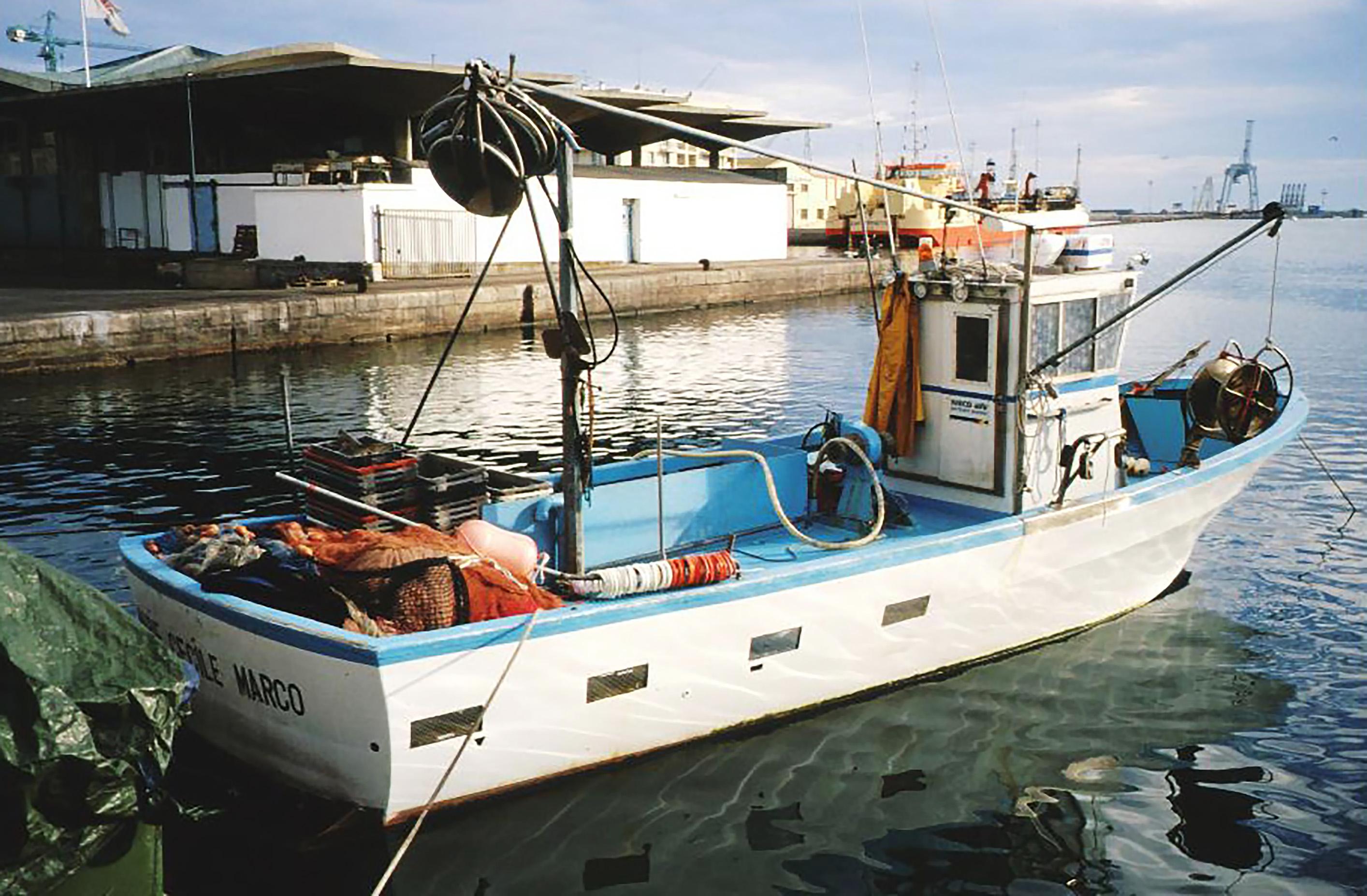
Archive photograph: a Mediterranean purse seiner. Photo: Alain Guillou and Isabelle Cheret / Ifremer, via Wikimedia Commons, CC BY 4.0. Original photograph unchanged; CSS display crop only, no AI editing. Illustrative only: not a GT supplier, a Peru or Baltic consignment, or evidence of a current fishing authorisation or endorsement.