Archived analysis. Original briefing date: 2026-08-29. Archive edition published 20 November 2026. Facts, observations and forecasts relate to their stated dates, not current quotations or shipment approvals.
Key fact: The study estimated demand for ten studied EU species at almost 1.1 million tonnes in 2023 and reviewed 22 certification schemes.
Archive edition prepared 20 November 2026 from the briefing dated 29 August 2026. The quantities and certification assessment below are historical findings, not November availability or a new certification obligation.
The essential study findings
CINEA published its aquafeed study on 20 August 2026. CINEA study publication
All 22 schemes reviewed included mandatory traceability or transparency records; approximately 73% specified health-and-safety, HACCP or quality-management provisions. These findings describe the assessed schemes, not every purchasing contract. Full aquafeed study
Define the approval decision before collecting documents
The following is GT Nutritions' commercial interpretation, not a further account of the study. We recommend starting an aquafeed enquiry with the decision the buyer needs to make: approve a new ingredient, qualify another source for an existing material, or reserve a specific delivery. Keep those decisions separate. A promising specification does not reserve tonnes, and an acceptable price does not complete technical qualification.
Give the nutrition team a defined candidate. Ask which intended application, analytical basis and acceptance criteria it should assess, and which differences would require a trial or reformulation. Carry those conditions into the commercial enquiry rather than assuming that approval of a product-family name covers any offered grade.
Build one controlled evidence pack
Agree the required records before the offer becomes a purchase commitment. Our proposed pack connects the selected specification, origin declaration, applicable approval evidence, representative analysis and expected shipment documents. Ask the responsible compliance reviewer which items apply to the actual material and destination; do not request the same certificate indiscriminately from every counterparty.
Assign a purpose to each document. The specification defines the agreed grade; a representative analysis supports qualification; the lot analysis supports the later release decision. Record the version accepted and the question it answers. If a document concerns another product or an unidentified batch, leave that question open even when the document looks complete.
Test the evidence against a changed shipment
Before approving recurring supply, ask how the seller would document a change in production site, raw-material declaration or proposed lot. Agree which changes require renewed technical review and which need only an updated shipping record. This is a proposed purchasing control, not a claim that one notification rule applies to all aquafeed materials.
For a replacement lot, preserve the original approval and identify the evidence that must be refreshed. Ask the receiving team to retrieve the replacement's specification and analysis using its lot reference. If they cannot connect the records without relying on an informal explanation, resolve that gap before describing the order as fully documented.
Qualify alternatives before counting cover
Use separate statuses for a material awaiting technical review, an approved alternative and a commercially committed quantity. That distinction prevents a broad sourcing shortlist from becoming an inflated supply plan. A second contact offering the same product name should not automatically count as an independently qualified fallback.
For each alternative, request a written decision from the technical reviewer identifying the application and conditions covered. Keep minimum order, packaging, loading point and required lead time beside that decision. An approved alternative that cannot meet the required receiving window may still be useful for later cover, but it should not close the immediate requirement.
Compare supply commitments rather than document volume
Ask each seller to distinguish available stock, proposed production and quantities already reserved for the buyer. Record the event that would make a conditional offer firm, together with the quotation's expiry. Do not allow a comprehensive qualification file to stand in for a current allocation confirmation.
Compare competing offers at the same destination and delivery period, with unresolved freight or handling charges visible. Where one offer depends on a source change or unfinished qualification, show that condition beside the price. The purchasing decision should explain what is executable, what remains conditional and which person can clear each outstanding item.
Use exceptions to govern recurring purchases
For a recurring programme, review the first shipment against the evidence promised during qualification. Check whether the accepted grade, lot records and actual delivery match the offer. If an exception was accepted, retain the reason and its scope rather than silently turning a one-off concession into the next order's specification.
Discuss supplier performance through specific unresolved decisions: a missing lot link, an expired offer, an unapproved replacement or an uncertain loading window. Ask what evidence would close each issue and by when. This gives procurement, quality and operations a common basis for action without rewarding the largest document bundle or treating additional paperwork as proof of secure supply.
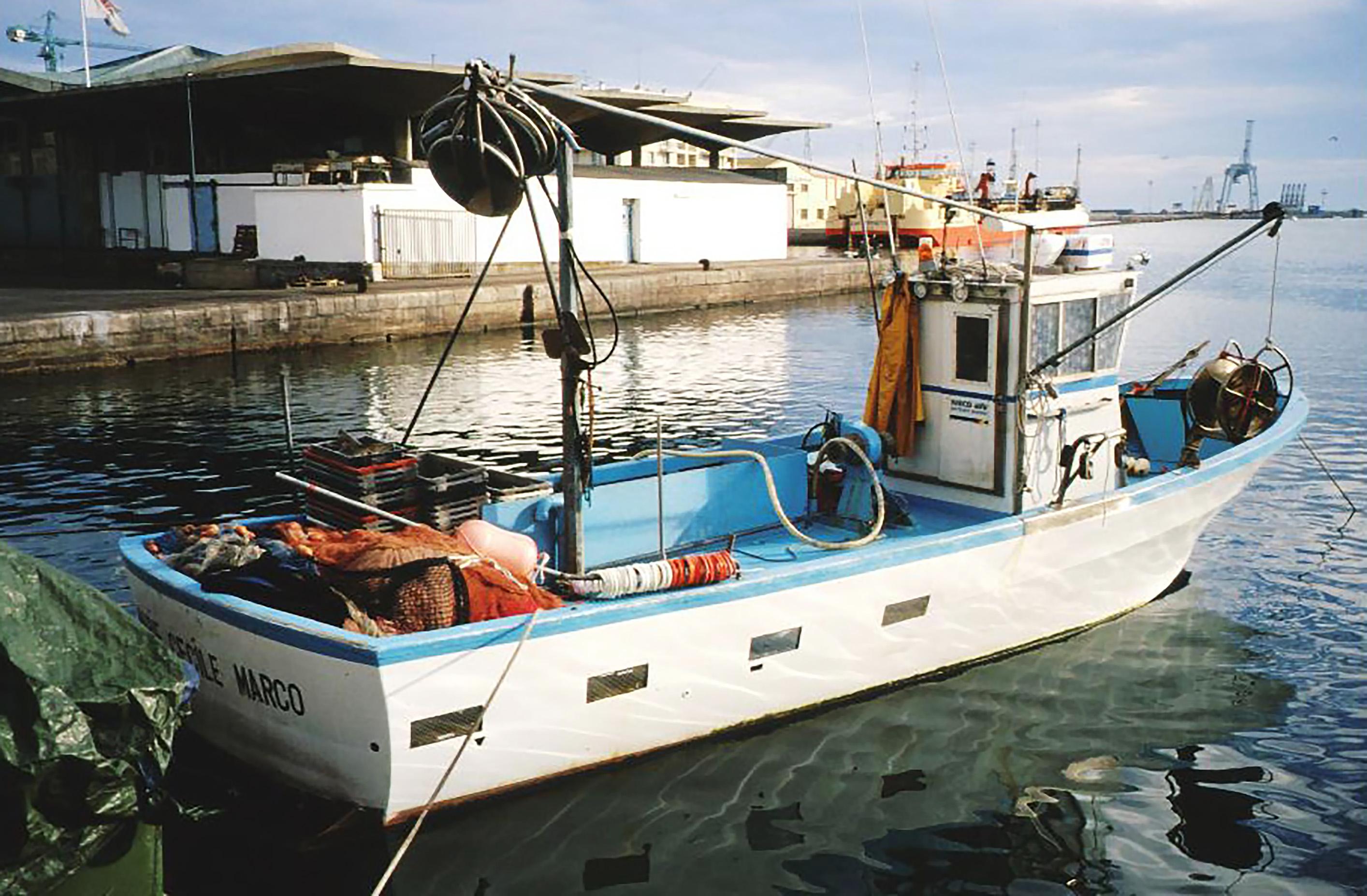
Archive photograph: a Mediterranean purse seiner. Photo: Alain Guillou and Isabelle Cheret / Ifremer, via Wikimedia Commons, CC BY 4.0. Original photograph unchanged; CSS display crop only, no AI editing. Illustrative only: not a GT supplier, a Peru or Baltic consignment, or evidence of a current fishing authorisation or endorsement.