Key fact: FAO's feed-laboratory manual calls for local validation of NIR calibration equations against an independent, representative test set before use. Faster access to a result does not remove the need to establish that the model fits the material being tested. FAO laboratory quality manual, printed pages 23-25.
A timely question from EuroTier week
EuroTier 2026 is scheduled for 10-13 November in Hanover, with feed and digitalisation among its exhibition themes. A 30 October announcement describes a mobile near-infrared spectroscopy workflow being presented during the event: a portable instrument captures a feed spectrum, cloud-based models evaluate it, and results can be retained and exported. That is an announced commercial workflow, not an independent demonstration of accuracy for every feed ingredient. Official event overview, demonstration announcement.
For professional buyers, the important distinction is between obtaining information sooner and deciding what that information can settle. A quick result may support an operational check without automatically becoming the agreed basis for accepting a consignment or adjusting an invoice.
What the technical sources establish
NIR predictions depend on calibration models developed from representative samples. FAO's laboratory manual identifies composition, origin, processing, storage and temperature among the variation those calibrations should cover. It also calls for independent local validation and explains that changed sample presentation or measuring conditions can affect results. FAO laboratory quality manual.
ISO 12099:2017 provides guidelines for applying near-infrared spectrometry to animal feeding stuffs, cereals and milled cereal products. Its published scope includes constituents such as moisture, fat, protein and starch. ISO records the standard as reviewed and confirmed in 2023. That scope is not certification of an individual instrument, calibration or shipment. ISO standard overview.
Commercial interpretation for ingredient buyers
The following is GT Nutritions' recommended purchasing approach, not a new testing requirement or an endorsement of a particular device.
Begin with the intended decision. Is the measurement being used to compare samples, flag a possible problem, support formulation or determine contractual conformity? Write that purpose into the receiving procedure. The same number should not move from a screening worksheet into a settlement calculation simply because it is available in a convenient digital format.
Where a validated NIR method is suitable and agreed by the parties, it may have a defined contractual role. The point is not to reject rapid analysis. It is to establish that role before a delivery disagreement arises, including how uncertainty and conflicting results will be handled.
Ask for the calibration behind the number
Request the material category, constituent, working range and sample conditions covered by the proposed model. Ask how performance was checked against the reference method and how the system flags a sample outside its intended scope. Keep the answers with the method approval rather than relying on the instrument's product description.
Do not assume that a model demonstrated on one feed category is suitable for every protein meal or cereal co-product offered to the business. For a new ingredient or unfamiliar processing history, ask the laboratory to confirm applicability. If that answer is pending, keep the result labelled as screening information instead of assigning it an acceptance status.
Keep the sample connected to the shipment
For each purchasing check, record the lot reference, sampling point, date, operator, instrument identification and calibration version alongside the result. Agree how the sample is collected and prepared, and retain the relevant material under the business's sampling procedure. A screenshot showing a protein percentage is not a complete shipment record if nobody can identify what was scanned.
Compare results on the same declared basis. Ask whether values refer to material as received, dry matter or another specified moisture basis before comparing them with the purchase specification. Do not quietly change the basis to make two numbers appear consistent. The laboratory should explain any conversion and the supporting moisture result.
Decide the exception route before unloading
Set a written route for a result that approaches a contractual boundary, conflicts with the supplier's certificate or carries a model warning. A practical internal procedure might separate receipt into quarantine from release for use, name the person authorised to decide and specify when a retained sample goes to the agreed laboratory.
Do not invent a universal tolerance for every ingredient and parameter. Have the quality team and counterparties establish the applicable method, decision rule and dispute procedure. Preserve the initial screen, repeat checks and final laboratory report together; replacing the first result with the most favourable later value would make the record harder to audit.
Buy a usable decision process
When evaluating a mobile-testing proposal, ask for an end-to-end example: sample identification, measurement, model status, exported record and an exception requiring confirmation. Test whether a colleague can reconstruct the decision without access to the original operator's phone.
The commercial objective is faster, better-supported decisions. A useful rapid-testing system should help the buyer recognise when evidence is sufficient and when another check is necessary. That is more valuable than obtaining an immediate number whose contractual meaning remains unresolved.
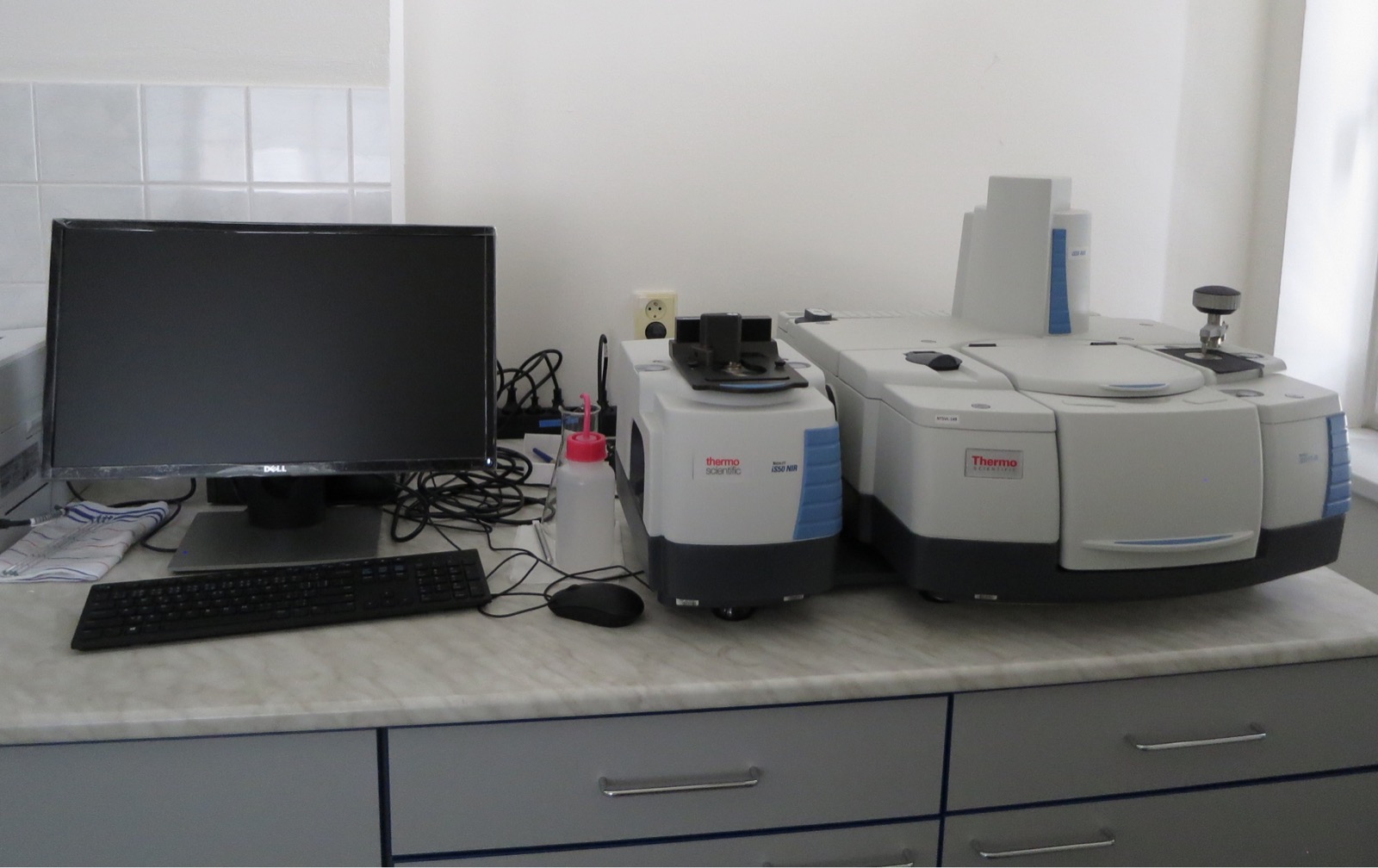
Archive photograph: infrared equipment in a Czech food-inspection laboratory, 8 January 2021. Photo: Sarka Na kopci / Wikimedia Commons. Image licensed under CC BY-SA 4.0. Resized and converted to JPEG; the layout crops the display. No generated or retouched content. Not a photograph of the EuroTier demonstration.