Archived analysis. Original briefing date: 2026-10-08. Archive edition published 20 November 2026. Facts, observations and forecasts relate to their stated dates, not current quotations or shipment approvals.
Key fact: IFFO reported on 5 October 2026 that cumulative fishmeal output through August was 45% below 2025 in its monitored countries, not a complete global production count.
Archive edition prepared 20 November 2026 from the briefing dated 8 October 2026. IFFO's 5 October update concerned August production and cumulative output through August. Its full-year figures were forecasts, not completed-year results, current allocations or evidence of a November closure, quota or reopening.
What the October update establishes
IFFO's 5 October 2026 release described improved August production but put cumulative fish-oil output through August 26% below 2025 and projected full-year fishmeal supply below 4.6 million tonnes and fish oil around 1.15 million tonnes. Those projections were conditional, not completed-year results. IFFO October update
These figures distinguished a better month from a recovered year. They do not identify the quantity available against a particular purchase order. For procurement teams, our commercial interpretation is to test each offer against three separate questions: has the material been approved, has the volume been allocated, and has the delivery window been agreed?
Keep the forecast outside the confirmed supply column
We recommend recording a supplier's proposed volume according to its actual evidence. Material already identified in storage should be distinguishable from planned production and from an indicative offer dependent on future raw-material intake. Ask what event turns the offer into a firm commitment, and who will notify the buyer if that event does not occur.
Avoid setting a customer delivery promise solely from a favourable market headline. Instead, work backwards from the required arrival date and ask for the proposed production, release and loading milestones. A pending milestone should remain visible in the buying file, with an owner and an agreed date for clarification.
Qualify a different source before counting its tonnes
IFFO's background material explains that marine ingredients can come from whole fish or processing by-products, including material from capture fisheries and aquaculture. Its formulation guidance also stresses that nutrient requirements vary with species, environment and life stage. A broad fishmeal description therefore leaves important purchasing questions open. Marine ingredient sources, Aquafeed formulation
Our recommended response is to give the technical team a defined candidate rather than an interchangeable tonnage figure. Request the species and raw-material description, selected grade, current specification and representative analysis. Agree which lot-specific results are needed before release. Have the responsible specialist assess nutritional fit and the permitted use for the actual destination and application.
For an oil offer, ask the formulation team to specify the fatty-acid evidence it needs; for a meal offer, ask which protein, digestibility, fat, ash and moisture information governs acceptance. Do not turn these questions into universal limits. The acceptance criteria should belong to the intended feed and the agreed product, not to a generic comparison table.
Make allocation a question with a documented answer
Once a candidate passes technical review, ask the seller what volume is reserved for the order and on what terms. Identify the selected production site, proposed lot or production window, packaging and collection or shipment point. Request a clear distinction between a quotation's validity period and the period during which the goods are actually committed.
Where advance payment is proposed, our purchasing recommendation is to settle the supporting evidence and contractual protections before releasing funds. Agree what happens if specification approval, production or loading is delayed. A payment request should not be used as a substitute for clarification of the goods and delivery obligation.
Keep exceptions readable. If only part of the order is firm, record that quantity separately rather than marking the whole purchase as covered. If the proposed source changes, return the replacement to technical review instead of carrying over approval automatically.
For conditional quantities, agree when the seller must reconfirm allocation before each shipment. Keep that checkpoint separate from sample approval and payment authorisation. If confirmation is late, leave the requirement open rather than carrying the earlier indication forward as firm cover.
Link shipment readiness to the approved material
We recommend a short release record connecting the approved product and quantity to the lot identification, Certificate of Analysis, packaging and loading plan. Confirm which documents must be available before dispatch and which follow after shipment. Ask the responsible compliance and logistics teams to resolve destination-specific requirements rather than assuming that an origin statement settles eligibility.
In the deal register, give unresolved items a status, responsible person and decision deadline. A missing analysis, uncertain allocation and unconfirmed loading date are different problems and should remain separate. That makes it possible to explain precisely what prevents a delivery commitment and what evidence would close the gap.
The useful buying signal in October 2026 was not simply that production improved. It was an opportunity to replace broad availability claims with transaction-specific evidence. Compare approved goods, committed volume and workable delivery terms together. Only then should a prospective source become part of the confirmed supply plan.
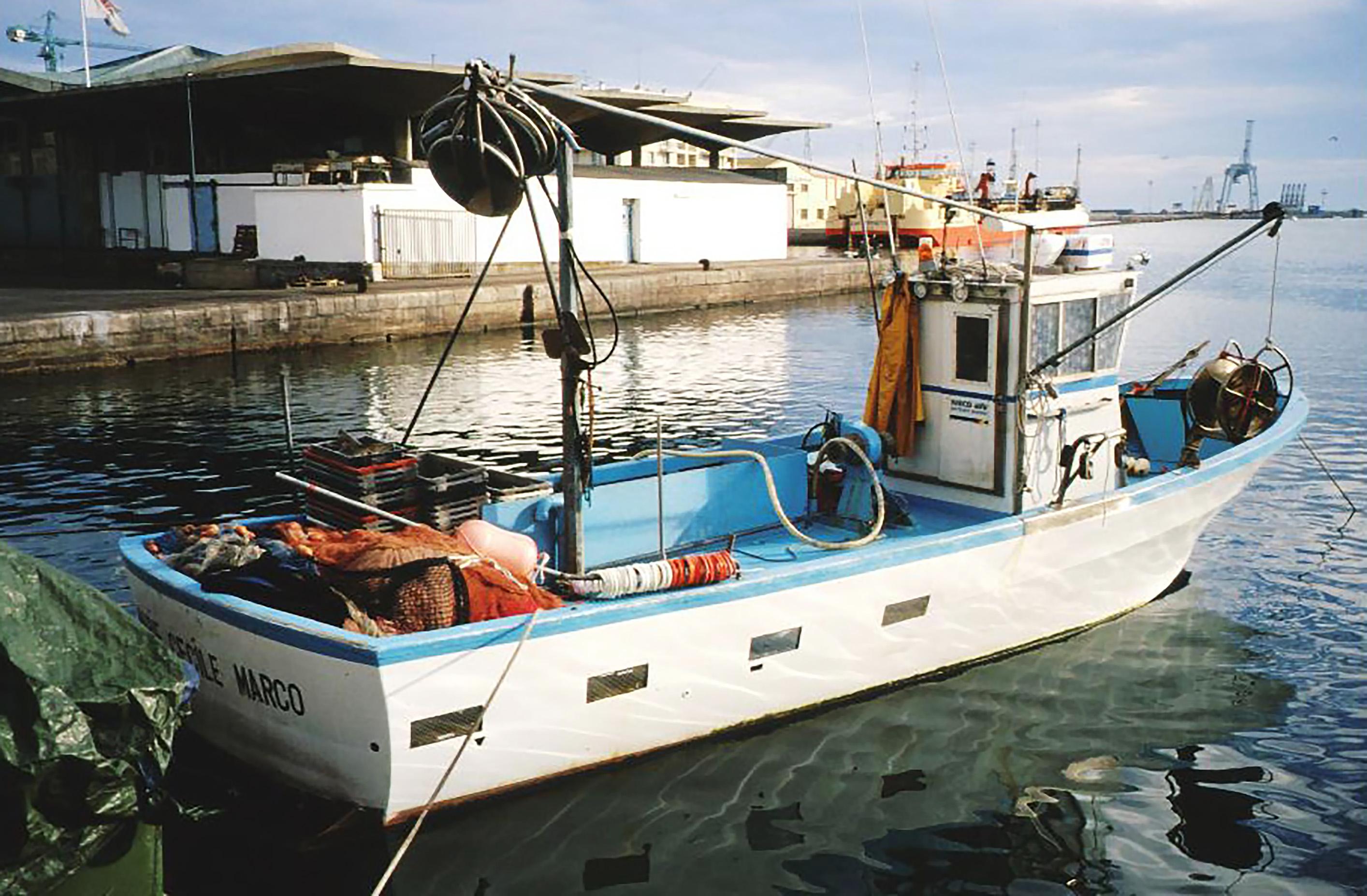
Archive photograph: a Mediterranean purse seiner. Photo: Alain Guillou and Isabelle Cheret / Ifremer, via Wikimedia Commons, CC BY 4.0. Original photograph unchanged; CSS display crop only, no AI editing. Illustrative only: not a GT supplier, a Peru or Baltic consignment, or evidence of a current fishing authorisation or endorsement.