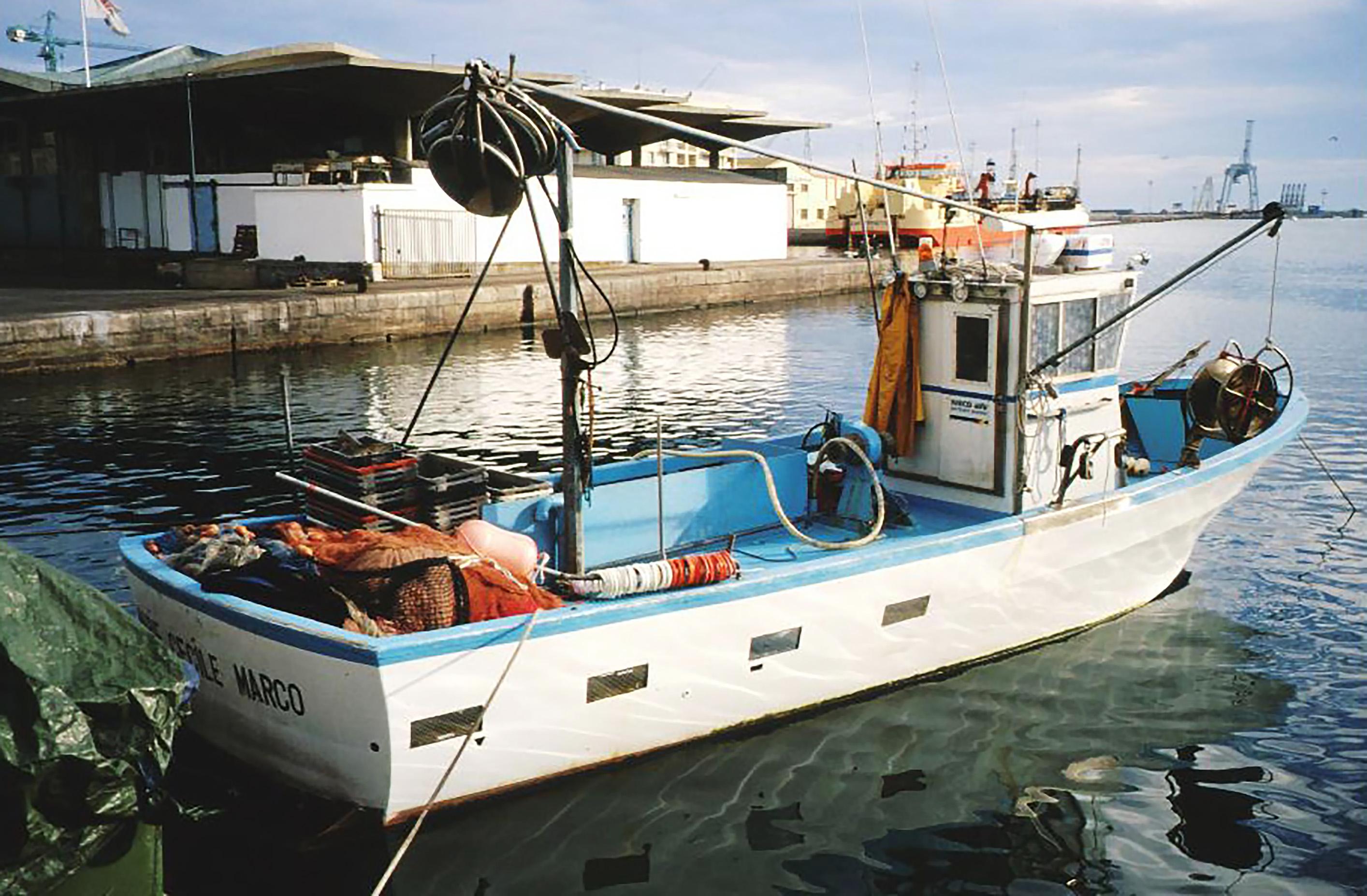
Key fact: On 20 November 2026, the Commission proposed 54,995 fishing days for western Mediterranean trawlers in Italy, 54,127 in Spain and 8,575 in France for 2027. These are proposed fleet-level fishing days, not catch volumes or confirmed feed-ingredient supply. European Commission announcement.
What the proposal says
The European Commission published its proposed 2027 fishing-day figures on 20 November as part of an update to its Mediterranean and Black Sea fishing opportunities proposal. Spain and Italy could qualify for additional days under the proposal by applying further conservation measures. The update also addresses other fisheries, including small pelagic stocks in the Adriatic. Those measures should be read separately from the western Mediterranean trawler figures. European Commission update.
The September proposal distinguished fishing effort for western Mediterranean fleets from catch limits for specific stocks elsewhere. Ministers discussed the proposals on 23 November without announcing a political agreement. The Commission has identified the 14–15 December Council as the meeting at which ministers will seek that agreement. The November figures remain proposed, not the final 2027 rule. September Commission proposal, 23 November Council results.
Commercial interpretation: trace the raw material before changing coverage
Start with an open purchase order or a recurring requirement, not the regional headline. Ask the supplier which species and raw-material streams are expected to support the offered grade, where the material originates, and where the ingredient is processed. Keep the dispatch port in a separate field. A port tells you where a consignment leaves; it does not, by itself, establish where the fish were caught or farmed.
The distinction matters for ingredients made from processing by-products. IFFO’s March 2026 analysis describes both wild-caught and farmed fish as sources of those materials. An ingredient can therefore be linked to a capture fishery indirectly through a seafood processor, or it may rely on a different source altogether. The words fishmeal, fish oil or even by-product do not tell the buyer which case applies. IFFO by-product analysis.
For a purchase not yet assigned to a lot, ask for the expected source and any alternatives already covered by the offer. Write down which answers are provisional and when the supplier will confirm them. For an allocated lot, ask for the origin declaration and supporting batch records to refer to the same lot as the certificate of analysis. A general sourcing statement may explain the supplier’s model; it is not a substitute for the documents that identify the lot being bought.
Set a different action for each exposure
No link documented. If the supplier can show that the expected material comes from a different fishery or from farmed processing, retain that evidence and continue the normal buying review. Do not call the supply immune to disruption; record only that this particular proposal has not been shown to apply to its source.
Link possible, but not confirmed. If the blend or source changes between runs, ask what would trigger a source change and when the buyer would be notified. Unless the offer already covers an approved alternative, record the affected volume as conditional. A later offer from a different origin should return to technical and destination review rather than being accepted under the original approval by default.
Link confirmed. Ask whether the supplier’s commitment rests on existing stock, material already allocated to a production run, or landings still expected. These are different bases for a delivery promise. For stock on hand, check the lot, remaining shelf life and reservation. For future output, ask for a confirmation date and a practical fallback if the named material is unavailable. Record a deadline early enough to assess that fallback before the receiving plant needs it.
Keep meal and oil decisions separate
Apply the source check to meal and oil separately, even when both appear on the same purchasing plan. For meal, ask the formulation team which limits must travel with any replacement, such as protein, ash and moisture. For oil, agree the required fatty-acid profile, oxidation criteria and handling conditions. Confirm the contract grade, intended use and receiving market before counting a candidate as usable cover. A catalogue page or indicative sample can support a review, but it cannot reserve stock or clear a shipment.
Recheck the policy status after the December Council meeting. Where a source link was identified, compare the outcome with the specific fishery in the supply file, then ask the supplier whether it changes the allocation or loading date. Where no link was established, the useful next step is better origin evidence, not an automatic change in the purchasing plan.
Ask procurement to record the next decision date beside the uncovered quantity. That makes it clear which lots need escalation and which can wait for better evidence.
Archive photograph: a Mediterranean purse seiner. Photo: Alain Guillou and Isabelle Cheret / Ifremer, via Wikimedia Commons, CC BY 4.0. Original photograph unchanged; CSS display crop only, no AI editing. Illustrative only: not a GT supplier, a vessel covered by the proposed trawler-day figures, or evidence of a current fishing authorisation.